How do I know what size skate to order?
The most accurate way to size yourself at home is to measure your foot. Put on the socks you'd wear to skate in, trace around your foot on a flat surface, and measure from your longest toe to the back of your heel. Cross-reference that with our size chart (you’ll find this on each product page) to find your box size.
Most players end up in a skate with a box size roughly 0.5 to 1 below their usual shoe size, though this varies. For younger players, fitting closer to shoe size - or often a half size down - is more common.
Remember to choose the right width for your feet too: D (Regular) suits most feet, EE is wider and works well if you tend to feel pinched across the forefoot in standard-width footwear.
If you're unsure, a FitLab 3D scan at an authorised Bauer retailer takes the guesswork out of it, or you can get in touch with our expert team for advice.
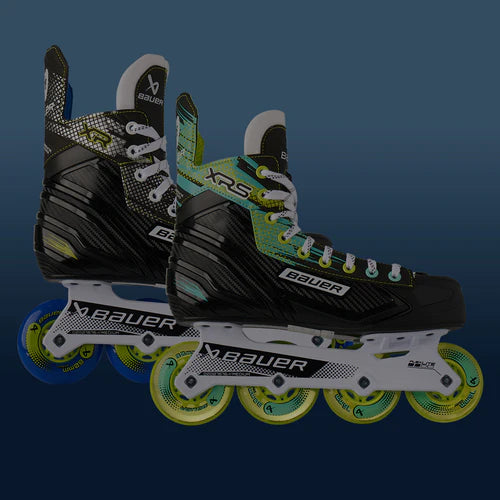
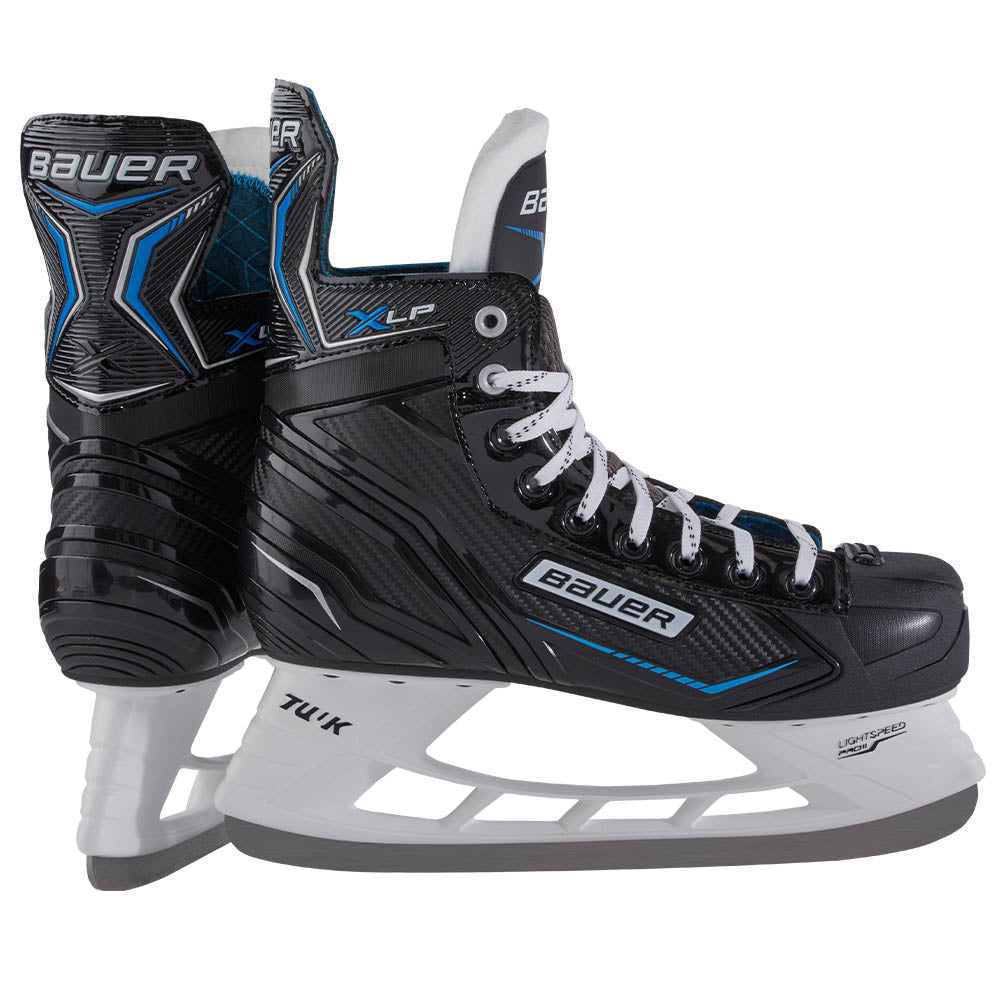
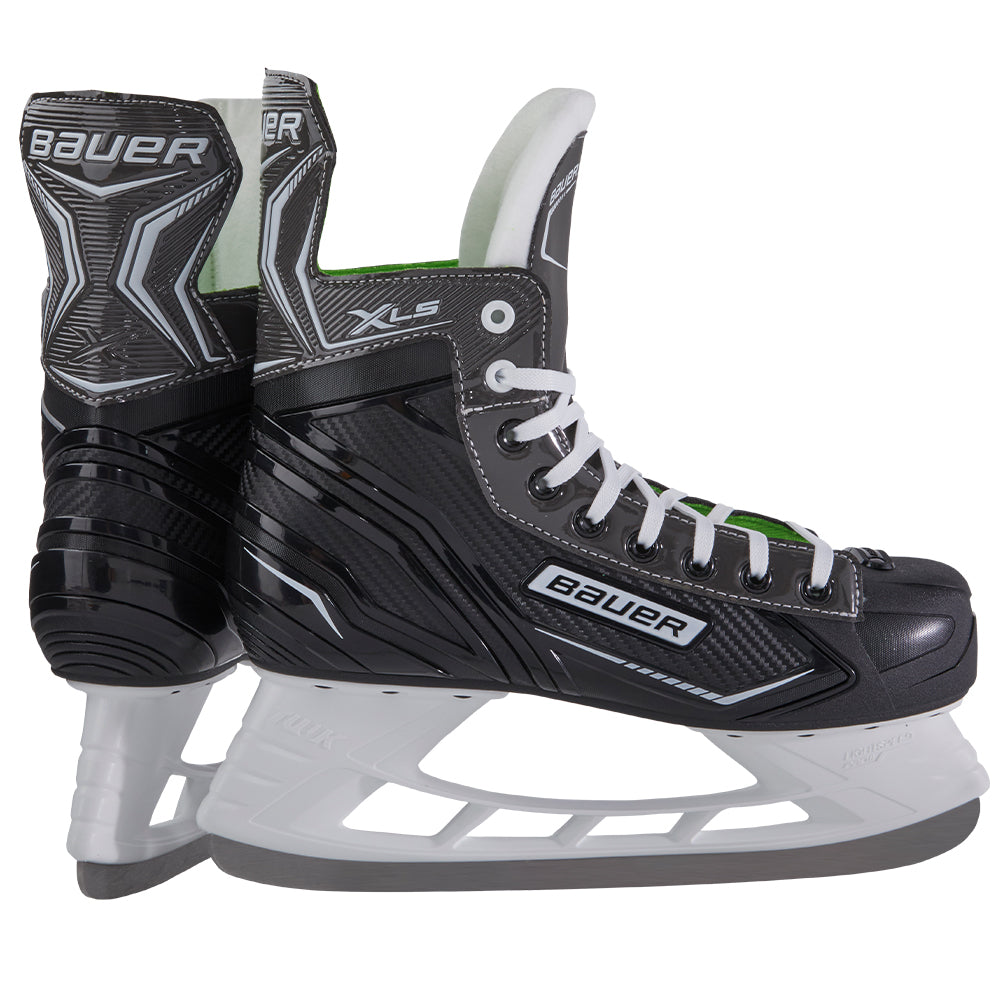
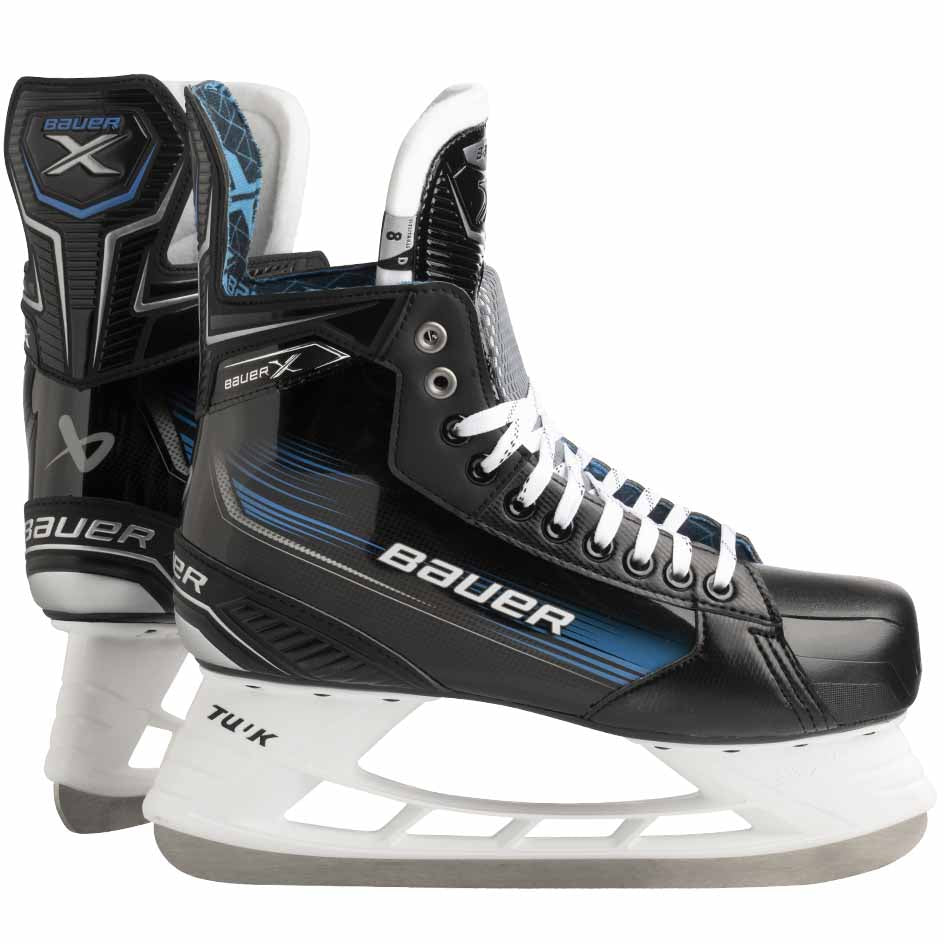
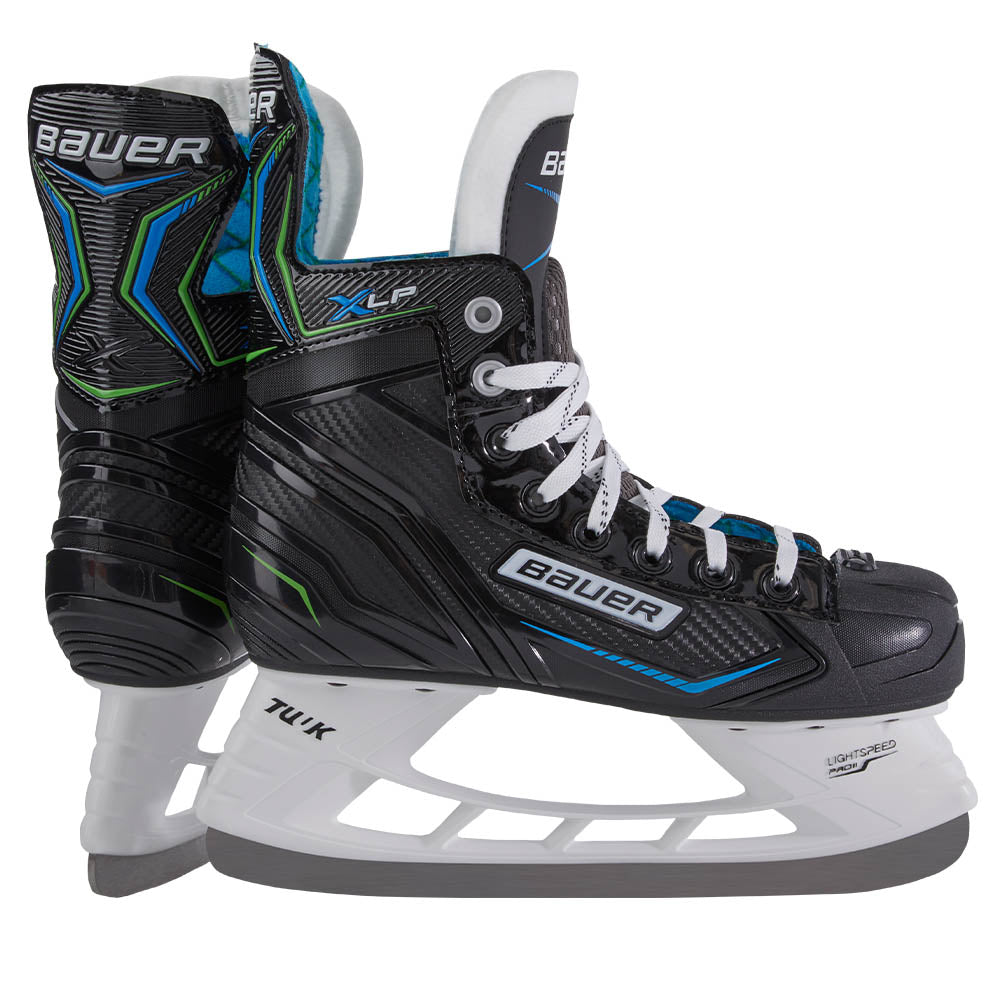
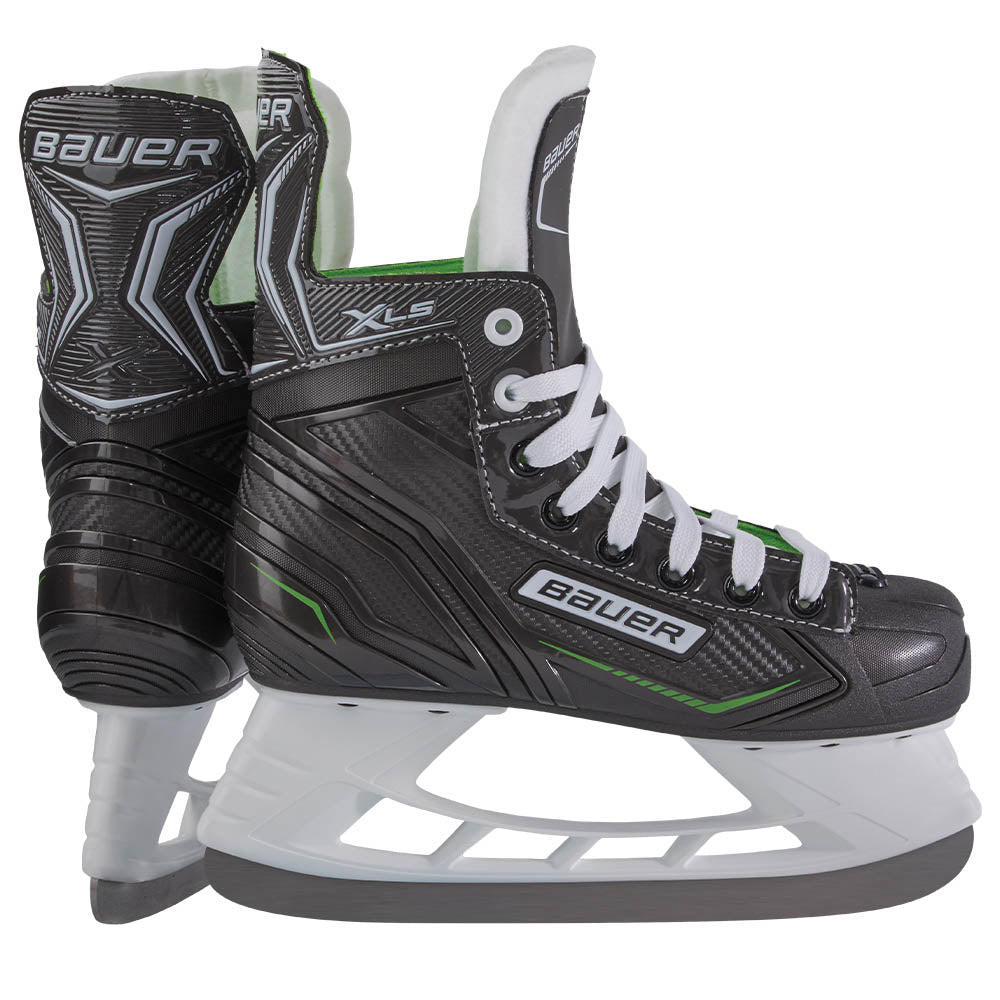
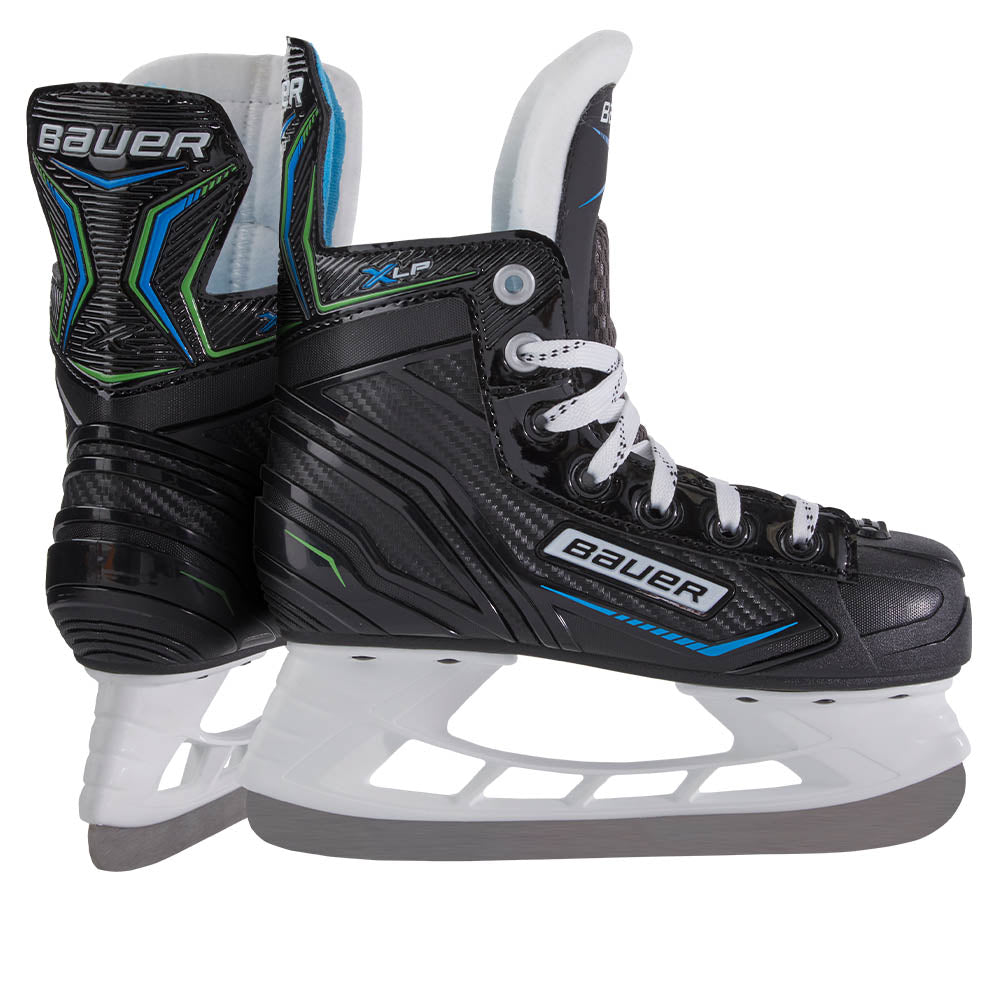
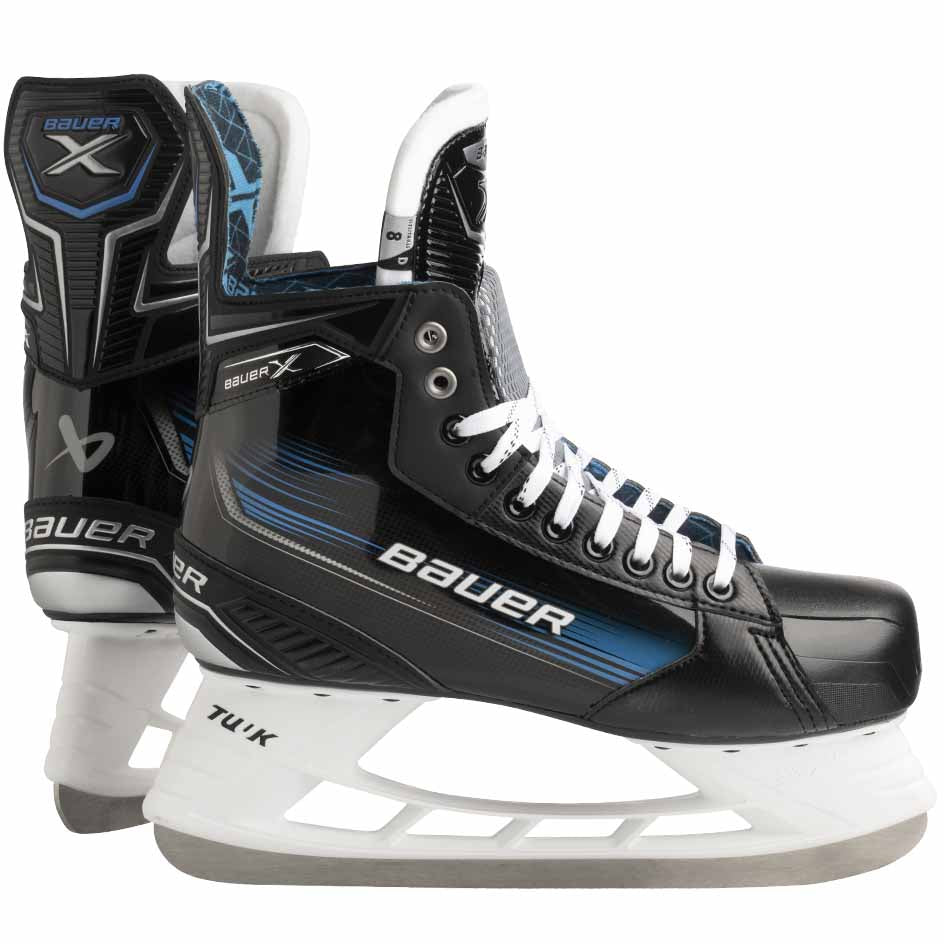
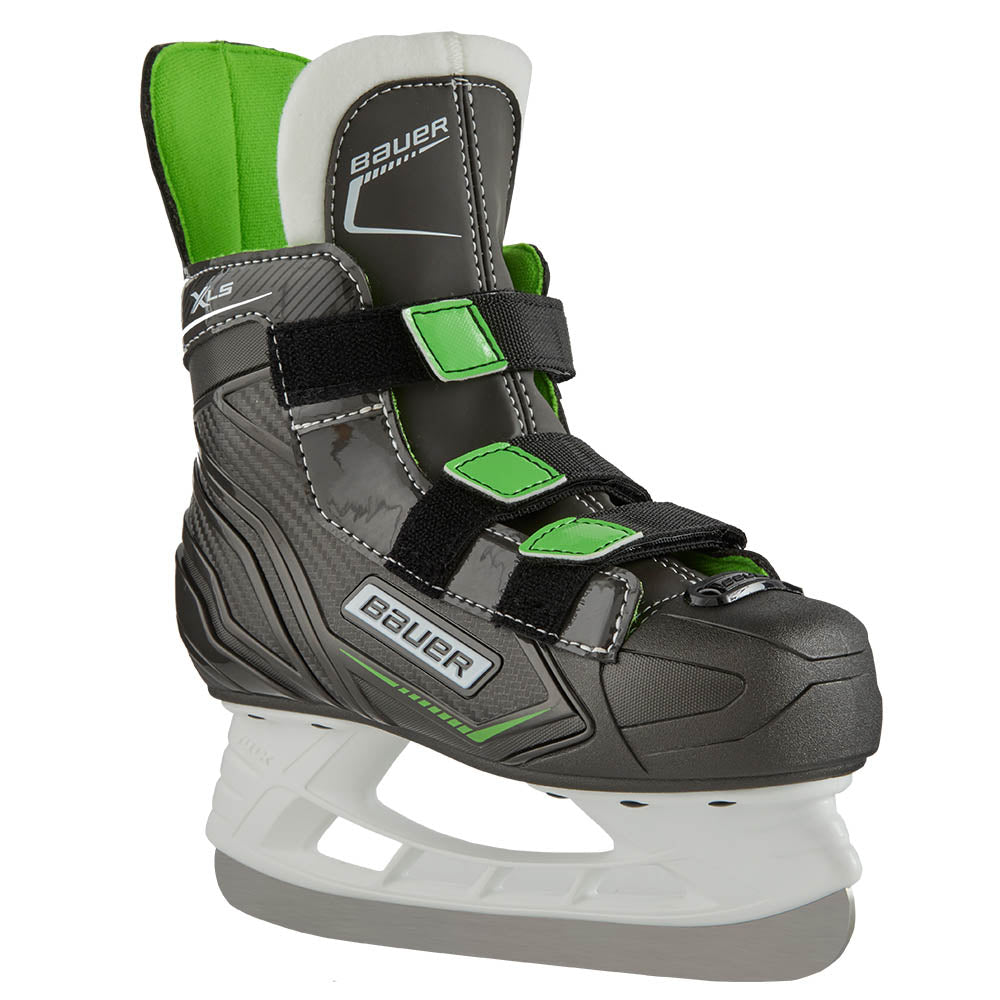
What's the difference between the X, X-LP, and X-LS?
All three are built for beginners and recreational players, with flexible boots, comfortable liners, and more blade contact with the ice to help you find your balance and build confidence.
The X-LS is the most accessible starting point, prioritising comfort and ease of use. It has a microfibre liner, a 30oz felt tongue, and a stainless steel runner on a 13-foot radius, which gives you more stability while you're finding your feet.
The X-LP is a step up in protection and durability. It adds AnaForm ankle padding for a better fit around the ankle, a reinforced tongue for added protection against puck and stick contact, and a slightly stiffer construction that transfers energy a little more efficiently.
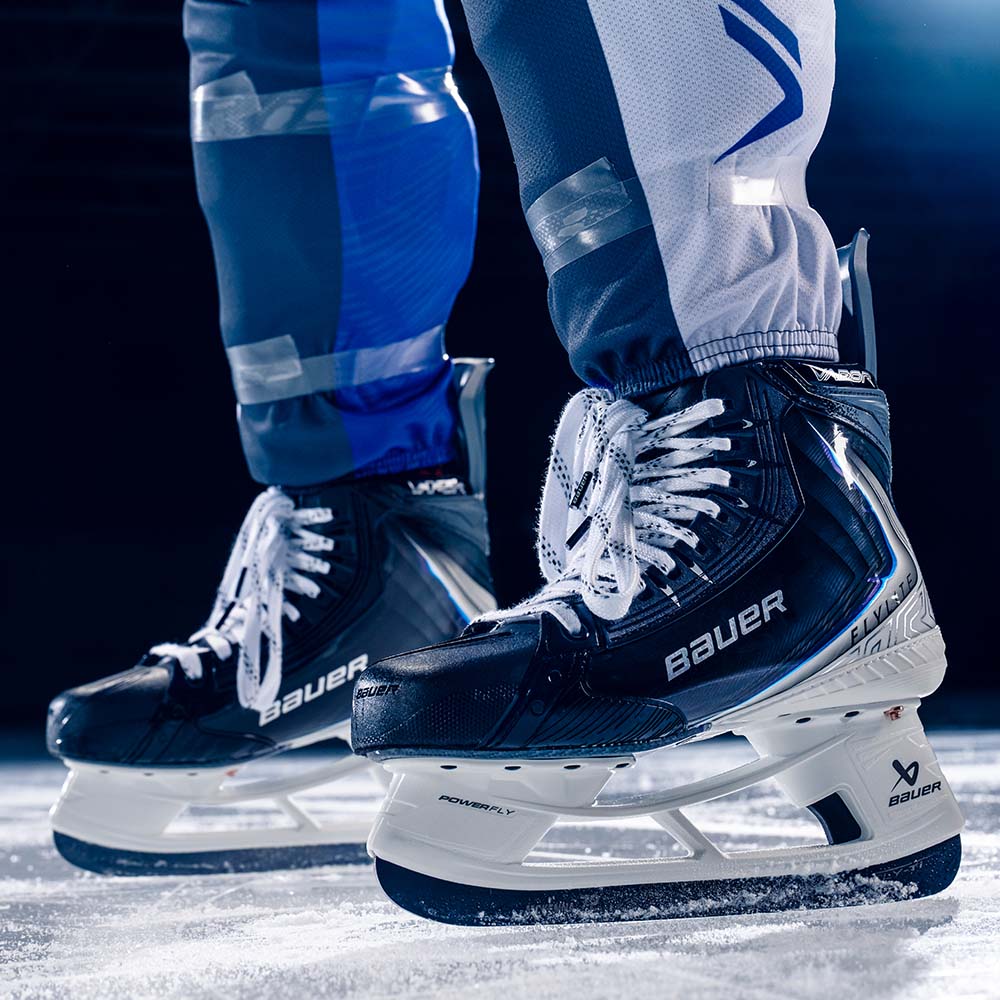
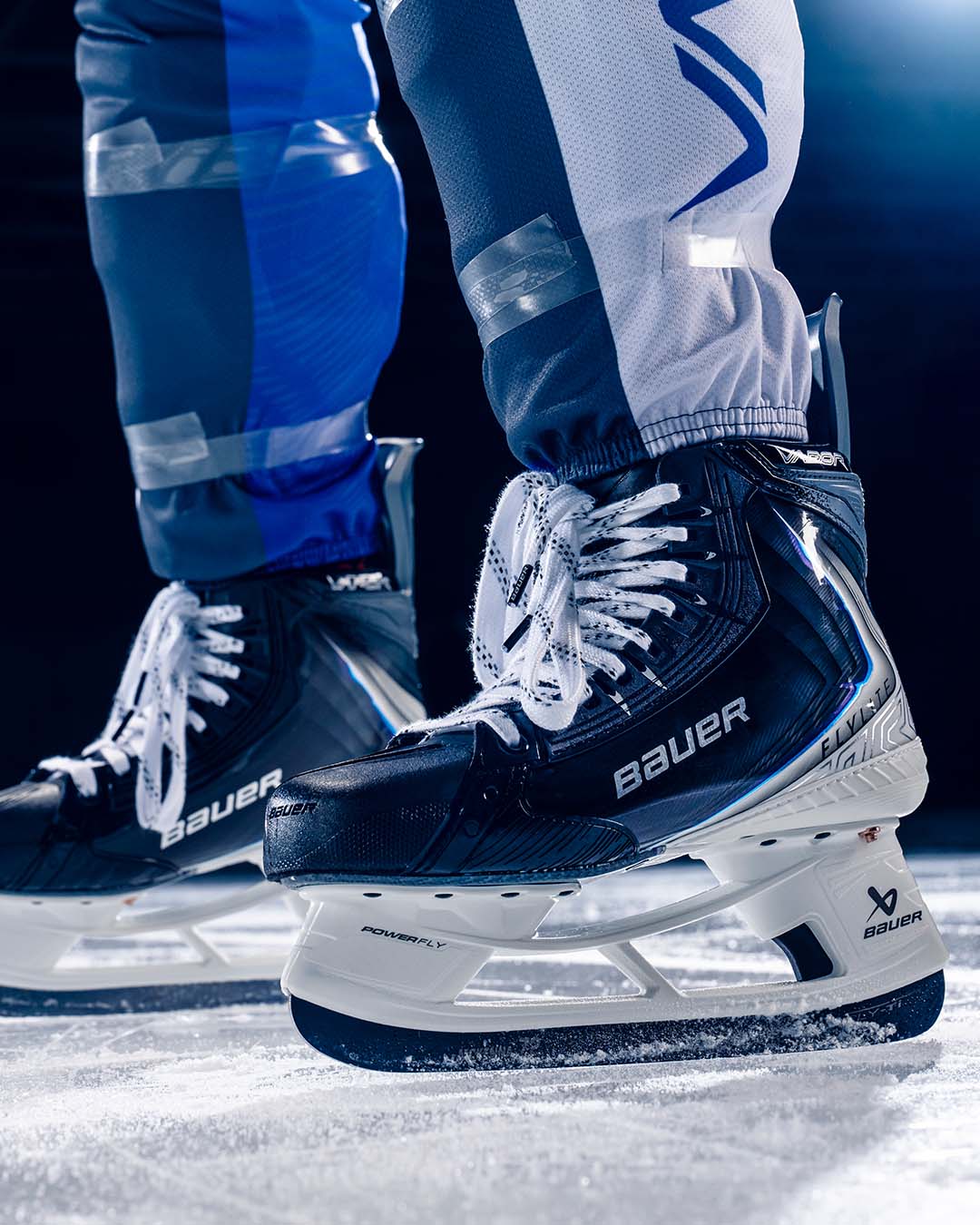
The Bauer X is still an entry-level skate, but the boot is closer to the more advanced Vapor construction in feel and design, with a more structured quarter package and the LS Pro II holder and steel.
Are Bauer X skates a good choice for beginners?
Yes - Bauer X, X-LP and X-LS skates are designed for beginners and have a range of features that make them perfect for new players.
The boot construction is designed to flex where it needs to. This matters early on because learning to skate properly depends on being able to bend your knees and get into a good stance, which a stiff boot works against. Bauer X skates let you move naturally while still giving enough support to skate with confidence.
The liners are comfortable and relatively quick to break in, so you're not spending the first few sessions battling the boot. Combined with the flatter blade radius, which puts more steel on the ice and improves stability, these skates are built to help you learn rather than get in your way.
As you develop, the Vapor and Supreme ranges are there when you're ready to step up.
How should my skates fit?
Your skates should feel snug and supportive, more so than a regular shoe, which can feel unusual at first. When you're standing with laces tied, your toes should just brush the toe cap. When you bend your knees into a skating position, they should pull back slightly and no longer be touching.
There should be no heel lift when you walk around. If your heel moves, the skate is too big. You should also be able to feel contact around the ankle without any pinching or sharp pressure points.
For juniors: loosen the laces and push the foot forward so the toes brush the end, then check how many fingers you can slide down the back of the boot. One finger is the ideal fit.
If you have any doubts, get in touch with our expert team for advice.
How do I look after my skates?
Keep them dry - make sure you wipe down your blades once you’re off the ice, remove the insoles, and store them somewhere with decent airflow between uses.
Our blade guards can also help protect your blades during travel and storage - keeping them safe, dry and extending their life. We recommend taking your guards off when airing out your skates to avoid trapping any moisture, as this can lead to rust and pitting.